Top Cybersecurity Controls Every Organization Should Implement
20 Mar 2026
Category: Cybersecurity
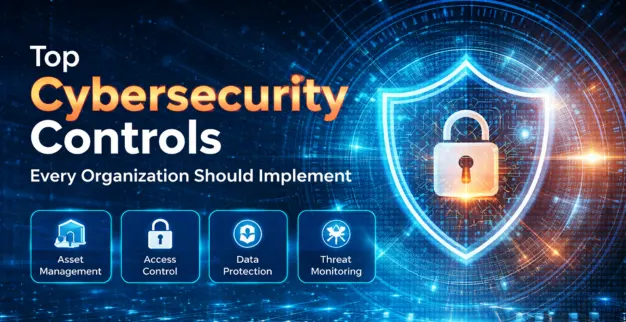
Top Cybersecurity Controls Every Organization Should Implement
In today’s digital landscape, cyber threats such as ransomware, phishing attacks, and data breaches are increasing rapidly. Organizations must adopt strong cybersecurity controls to protect sensitive data, maintain business continuity, and ensure regulatory compliance.
Frameworks like the SANS Critical Security Controls and the NIST Cybersecurity Framework provide structured guidance to help businesses strengthen enterprise cybersecurity and manage risks effectively.
This guide outlines the top cybersecurity controls every organization should implement to build a strong security posture.
1. Asset Inventory and Management
Organizations must maintain a complete inventory of all hardware, software, and digital assets.
Key practices include:
- Identifying all devices connected to the network
- Tracking installed software and applications
- Removing unauthorized or outdated assets
Proper asset management ensures visibility and reduces security risks.
2. Identity and Access Control
Controlling access to systems is essential for preventing unauthorized activity.
Important controls include:
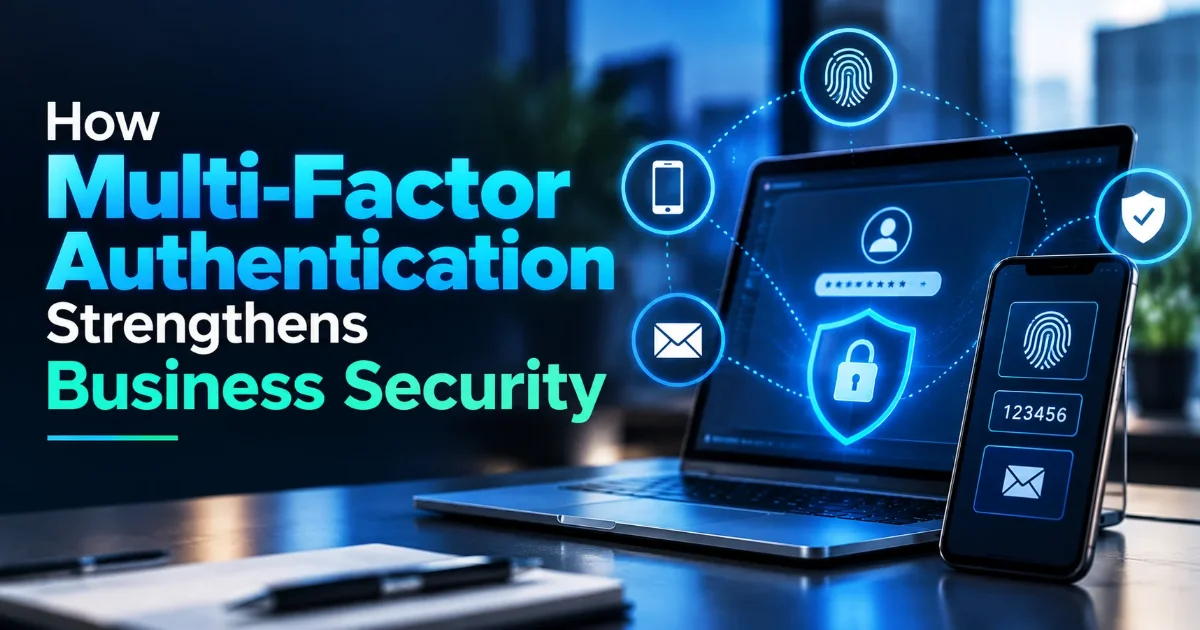
- Multi-factor authentication (MFA)
- Role-based access control (RBAC)
- Strong password policies
- User activity monitoring
These measures protect sensitive systems and data from unauthorized access.
3. Data Protection and Encryption
Data protection is a critical component of enterprise cybersecurity.
Organizations should:
- Encrypt sensitive data at rest and in transit
- Implement data classification policies
- Use secure backup solutions
- Apply data loss prevention (DLP) tools
These controls ensure that sensitive information remains secure.
4. Vulnerability Management
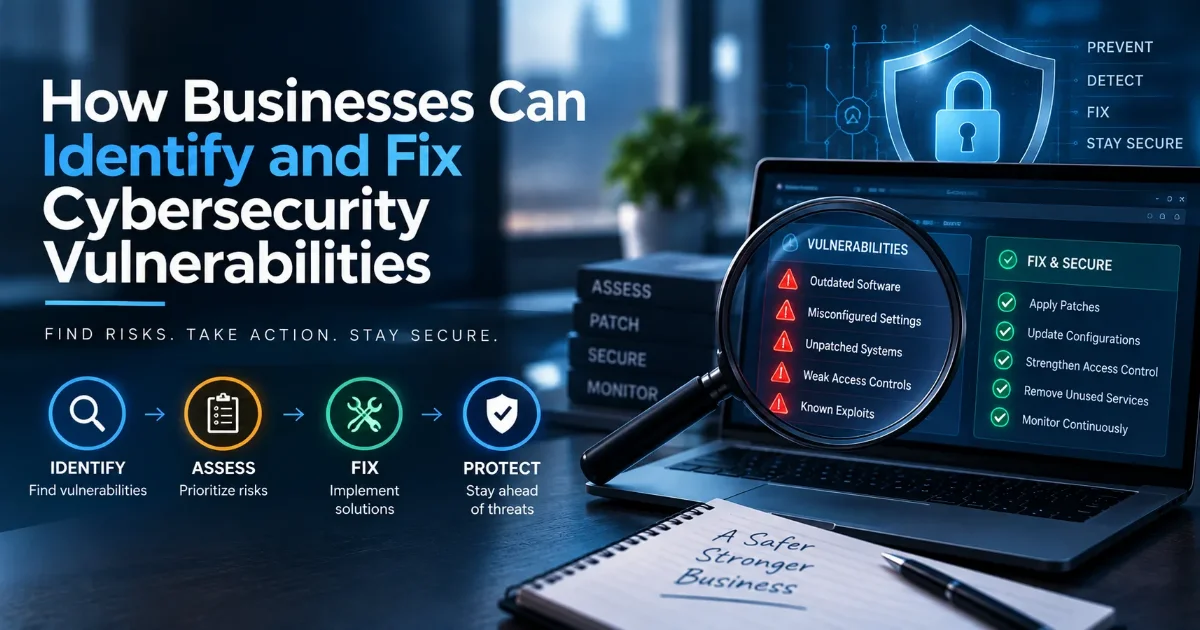
Regularly identifying and fixing vulnerabilities helps prevent cyberattacks.
Best practices include:
- Conducting regular vulnerability scans
- Applying security patches promptly
- Performing penetration testing
- Monitoring system configurations
Proactive vulnerability management reduces the attack surface.
5. Continuous Monitoring and Threat Detection
Organizations must continuously monitor their systems to detect threats early.
Monitoring tools include:
- Security Information and Event Management (SIEM) systems
- Intrusion detection and prevention systems (IDS/IPS)
- Endpoint detection and response (EDR) tools
These tools help identify suspicious activities and respond quickly.
6. Incident Response Planning
A well-defined incident response plan ensures quick action during cyber incidents.
Key elements include:
- Incident detection and reporting procedures
- Defined roles and responsibilities
- Containment and recovery strategies
- Communication plans
Effective response planning minimizes damage and downtime.
7. Security Awareness and Training
Employees are often the first line of defense against cyber threats.
Organizations should:
- Conduct regular security awareness training
- Educate employees on phishing attacks
- Promote safe data handling practices
- Encourage reporting of suspicious activities
Training reduces human errors and strengthens overall security.
8. Backup and Disaster Recovery
Backup and recovery controls ensure business continuity during cyber incidents.
Best practices include:
- Regular data backups
- Secure offsite storage
- Disaster recovery planning
- Periodic testing of recovery systems
These measures protect against data loss and system failures.
Conclusion
Implementing strong cybersecurity controls is essential for protecting modern organizations from evolving cyber threats. By following best practices from frameworks like the SANS Critical Security Controls and the NIST Cybersecurity Framework, businesses can strengthen their enterprise cybersecurity and improve overall resilience.
A comprehensive approach that includes asset management, access control, data protection, monitoring, and employee training ensures that organizations are well-prepared to defend against cyber risks and maintain secure operations in today’s digital environment.