Cybersecurity Checklist for Small and Medium Businesses (SMBs)
22 Jan 2025
Category: Cyber Security
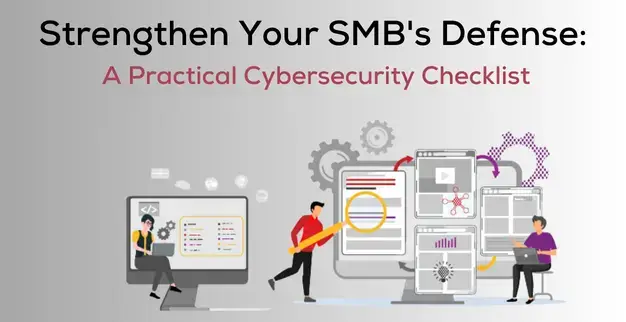
Cybersecurity Checklist for Small and Medium Businesses (SMBs)
1. Implement Strong Password Policies
-
Require employees to use complex, unique passwords and enforce
regular password updates.
-
Use password management tools for secure storage and sharing.
2. Enable Multi-Factor Authentication (MFA)
-
Require MFA for access to all business-critical systems, such as
email, cloud storage, and financial accounts.
3. Secure Network Infrastructure
-
Use firewalls, intrusion detection systems, and VPNs to protect
internal networks.
-
Regularly update and patch routers and other network devices.
4. Provide Regular Cybersecurity Training
-
Educate employees on phishing, social engineering, and safe
online practices.
- Conduct simulated phishing attacks to test awareness.
5. Backup Data Regularly
- Perform automated backups of critical business data.
-
Store backups in a secure offsite location or in the cloud with
encryption.
6. Secure Email and Communication Channels
-
Use secure email gateways to filter spam and phishing attempts.
-
Implement encryption for sensitive emails and communication
tools like VoIP and messaging apps.
7. Protect Devices and Endpoints
-
Install antivirus and anti-malware software on all business
devices.
-
Enable device encryption and implement mobile device management
(MDM) policies.
8. Limit Access Privileges
-
Use the principle of least privilege, ensuring employees only
have access to the systems and data necessary for their role.
-
Regularly review and revoke access for former employees or
contractors.
9. Monitor and Audit Systems
-
Use security information and event management (SIEM) tools to
detect anomalies and potential breaches.
- Regularly review access logs and security alerts.
10. Develop an Incident Response Plan
-
Create and test a detailed plan for responding to cyber
incidents.
-
Assign roles and responsibilities for incident management.
11. Ensure Compliance with Regulations
-
Follow data protection laws like GDPR, CCPA, or others relevant
to your region.
-
Regularly review compliance requirements for your industry.
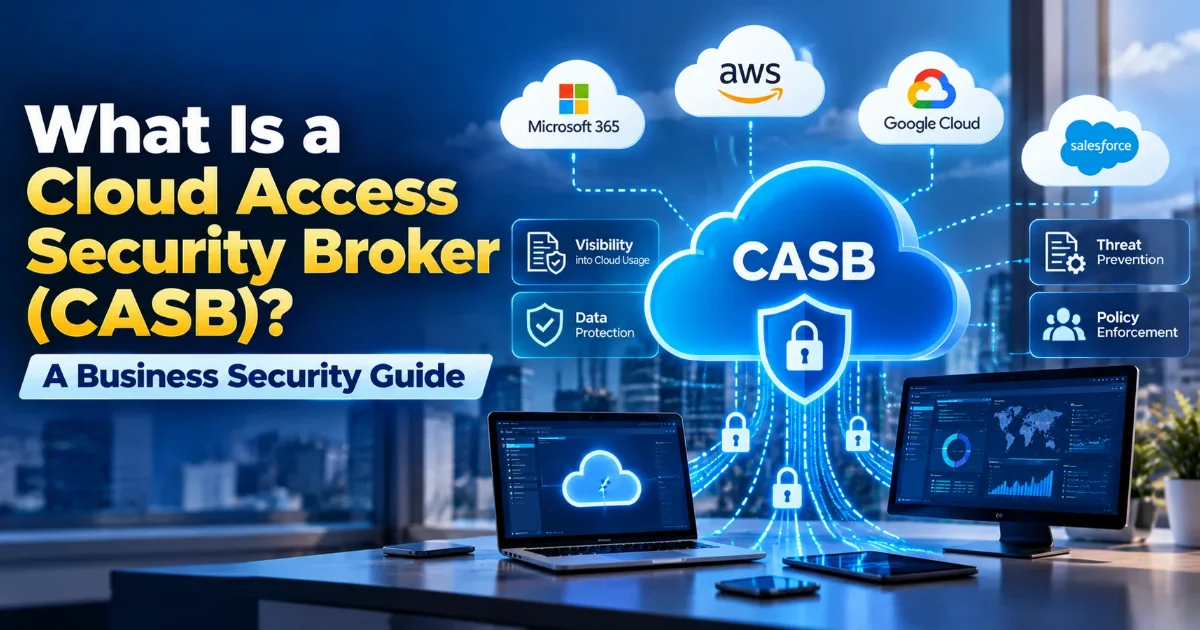
12. Secure Cloud Services
-
Use secure cloud storage providers and enable encryption for
data in transit and at rest.
-
Set up alerts for suspicious activities in cloud applications.
13. Stay Updated on Cybersecurity Threats
-
Subscribe to cybersecurity advisories and alerts relevant to
your industry.
-
Partner with a managed security service provider (MSSP) for
expert guidance.
14. Invest in Cyber Insurance
-
Obtain cyber insurance to mitigate financial risks associated
with breaches, data loss, or ransomware attacks.
Cybersecurity Checklist for Individuals
| Checklist |
Details |
| 1. Use Strong, Unique Passwords |
Create distinct, complex passwords for each account using
a mix of letters, numbers, and special characters.
|
| 2. Enable Multi-Factor Authentication (MFA) |
Add an additional layer of security by enabling MFA on all
important accounts.
|
| 3. Be Cautious with Email Attachments and Links |
Avoid interacting with links or attachments from unknown
or suspicious sources.
|
| 4. Limit What Personal Information You Share Online |
Be mindful of the data you share on social media or other
platforms to reduce risks of social engineering attacks.
|
| 5. Avoid Public Wi-Fi for Sensitive Transactions |
Use mobile data or a secure VPN for accessing critical
accounts or conducting sensitive activities.
|
|
6. Exercise Caution When Using Artificial Intelligence
(AI) Tools
|
Avoid sharing confidential information with AI tools and
review their data policies before use.
|
| 7. Use Encryption for Sensitive Information |
Encrypt files and communications to safeguard them from
unauthorized access.
|
| 8. Stay Informed about Cybersecurity Threats |
Follow cybersecurity news and updates to remain aware of
emerging threats and scams.
|