How Cybersecurity and ERP Security Work Together
03 June 2025
Category: ERP Security
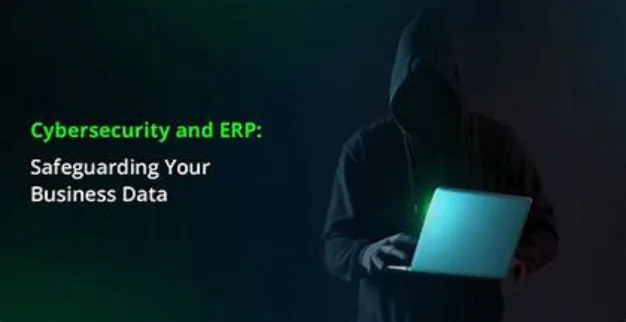
Cybersecurity and ERP (Enterprise Resource Planning) security
are closely interconnected components of an organization's broader risk
management and IT governance strategy. Here's how they work together:
🔒1. Shared Goals: Protecting Critical Assets
- Cybersecurity focuses on protecting all IT systems,
data, and networks from cyber threats (e.g., malware, phishing, ransomware). .
- ERP Security is specifically focused on securing ERP systems like SAP, Oracle,
or Microsoft Dynamics, which manage vital business processes (finance, HR, supply chain, etc.).
They both aim to protect sensitive data and ensure system availability and integrity.
🔐 2. ERP Systems as High-Value Targets
ERP systems are attractive targets for cybercriminals because they:
- Hold sensitive data (employee records, financial info, customer data)
- Control core business operations
- Often have complex configurations, which can include legacy components vulnerable to attack.
Cybersecurity strategies must prioritize ERP systems due to their
business-critical nature.
🧩 3. Integration of Security Controls
Cybersecurity provides the overarching framework (e.g., NIST, ISO 27001), while ERP security
implements it within the ERP environment.
Examples:
- Identity and Access Management (IAM): Cybersecurity teams manage IAM tools;
ERP security enforces least privilege within the ERP system.
- Network Security: Firewalls and segmentation protect ERP
environments from unauthorized access.
- Data Encryption & Monitoring: Encryption protects ERP data in transit and
at rest; cybersecurity tools monitor for anomalies.
🔁4. Incident Response & Threat Detection
Cybersecurity teams:
- Monitor for threats across the entire network, including ERP logs
- Use SIEM (Security Information and Event Management) systems that ingest ERP logs
- Investigate ERP-specific threats like insider threats or privilege escalation
ERP security must provide detailed logging, audit trails, and alerting
mechanisms to feed into broader cybersecurity operations.
👥5. Compliance and Governance
Both cybersecurity and ERP security contribute to compliance with:
ERP security ensures role-based access control, segregation of duties, and audit trails, while
cybersecurity ensures overall policy enforcement and reporting.
🔍 6. Collaboration Between Teams
Effective protection requires:
- IT Security teams overseeing organization-wide security strategy
- ERP administrators and functional teams enforcing specific controls in ERP software
- Regular collaboration during audits, patching cycles, and threat assessments
Conclusion
Cybersecurity and ERP security are not separate
disciplines—they're layers of the same defense strategy.
ERP security deeply on the unique risks and controls of ERP
systems, while cybersecurity the umbrella strategy and tools to
protect all digital assets. When aligned, they create a robust security
posture that shields the organization from both generalized and system-specific threats.