The Role of Cybersecurity in Protecting Modern Businesses
09 Dec 2025
Category: Cyber Security
In today’s fast-paced digital world, businesses rely heavily on technology — from cloud systems and digital transactions to remote work and online communications. With this increasing reliance, cyber threats are becoming more frequent and sophisticated. Robust cybersecurity is no longer optional: it’s the backbone of every successful company.
1. Protecting Sensitive Data and Business Assets
Businesses hold vast volumes of critical data — customer info, financial records, intellectual property, trade secrets, and more. Without strong cybersecurity, data is vulnerable to theft, unauthorized access, or manipulation.
- Encryption, access controls, network protections, and proactive monitoring ensure only authorized personnel access sensitive assets.
- Safeguarding data preserves the core value that businesses build upon.
2. Ensuring Operational Continuity and Business Resilience
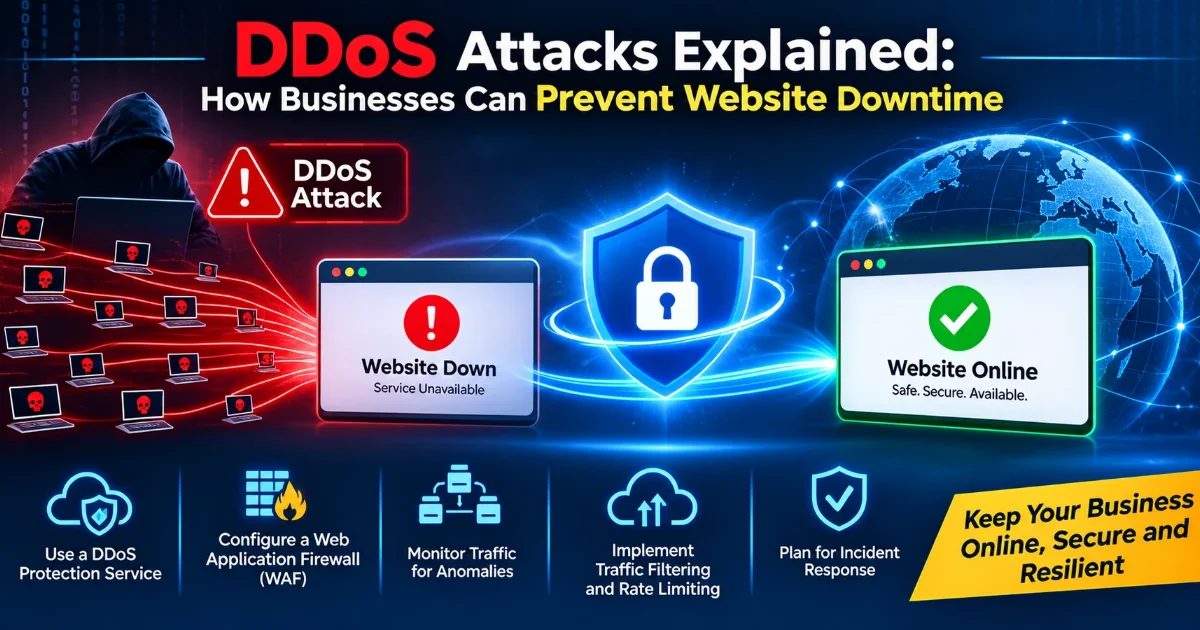
Cyberattacks like ransomware, malware, phishing, or DDoS can disrupt systems, lock data, or halt operations. Proper backup strategies, disaster-recovery plans, and incident-response protocols help businesses recover quickly.
- Cybersecurity ensures companies maintain business continuity even during unexpected cyber threats.
- Operational resilience is critical for long-term stability and growth.
3. Building and Maintaining Customer Trust & Business Reputation
Customers expect protection of their personal info and sensitive data. A strong cybersecurity framework signals commitment to security, enhancing loyalty, brand image, and long-term relationships.
4. Compliance, Legal Protection, and Regulatory Requirements
Industries often operate under strict data-protection regulations. Robust cybersecurity ensures compliance, avoiding fines and legal issues while boosting credibility with stakeholders.
5. Supporting Digital Transformation, Innovation & Competitive Advantage
Businesses integrating cybersecurity can adopt new technologies confidently, enabling growth, scale, and agility. Security also becomes a market differentiator, attracting customers, partners, and investors.
6. Cybersecurity as Strategic Investment — Not Just a Cost
Proactive investment in cybersecurity — prevention, monitoring, training, and recovery — is far more cost-effective than dealing with breaches. It becomes a foundation for sustainable growth and business resilience.
Conclusion
Cybersecurity protects assets, ensures continuity, preserves trust, and enables innovation. Companies that integrate it deeply, invest in prevention, and prioritize it strategically are better positioned to grow sustainably and stay competitive.