Clicks & Consequences: Digital Marketing Threats Ahead
By: Ganesan D
26 Jun 2025
Category: Cyber Threats
Introduction
Cybersecurity is an essential component of digital marketing, as
it helps to protect brand reputation and customer trust. Cybersecurity acts as a
barrier against potential threats, protecting a digital marketing environment driven
by technology and the internet. A breach that reveals customer data can significantly
impact their privacy, leading to reputational harm and financial losses. Identity theft
and personal data leaks are two of the most common threats in the digital world,
making it essential for businesses to protect their customers’ confidential information.
Digital marketing, with its intricate web of online platforms and tools, is a prime target for cyberattacks. A hacked website or compromised online presence can disrupt operations, eliminate trust, and damage the brand’s reputation.
To navigate this complex digital landscape safely, businesses must take cybersecurity seriously. Collaborating with reputable cybersecurity firms is a strategic choice. This blog discusses the crucial part cybersecurity plays in the digital marketing landscape.
Areas Where Digital Marketing Demands Comprehensive Cybersecurity Coverage
Protecting Your Website: The primary objective of digital marketing encompasses safeguarding your website against online threats and cybersecurity challenges. Defending against cyber threats constitutes a pivotal aspect of website maintenance. Neglecting a website’s proper configuration and upkeep can render it susceptible to exploitation by malicious actors. When hackers obtain unauthorized access, it opens the door to potential theft of credit card information, sensitive data, and the entirety of website content, among other vulnerabilities.
Recognizing the gravity of these security concerns, it is incumbent upon website owners to actively seek ways to fortify their digital fortresses through the implementation of robust security measures and encryption protocols. Here are actionable steps to bolster your website’s security:
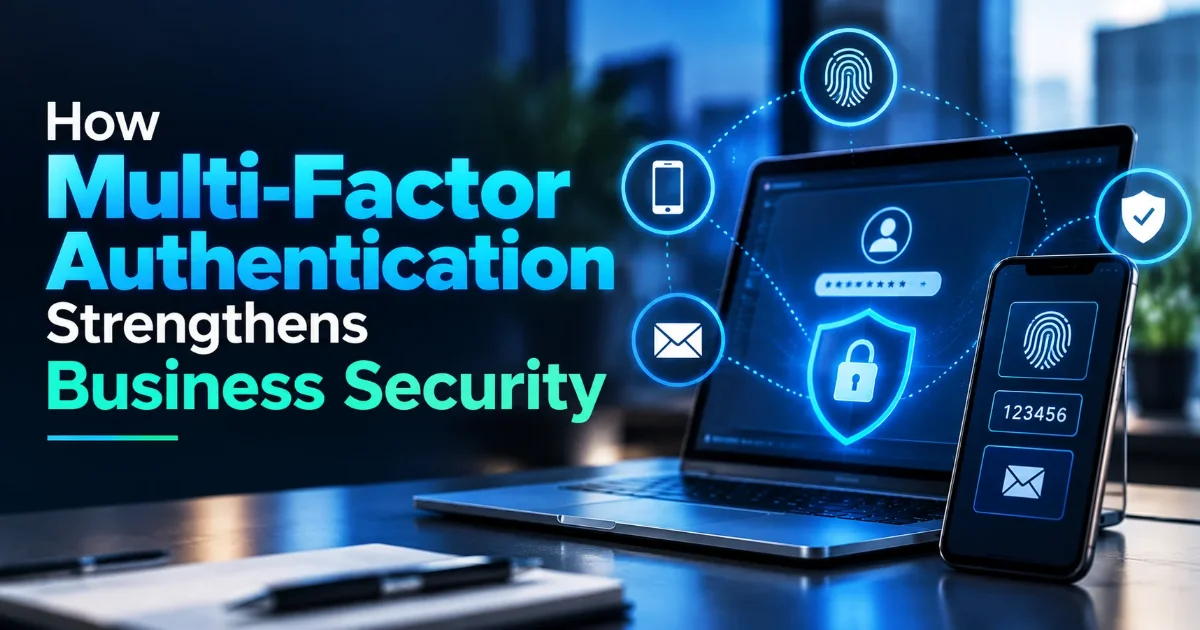
- Enforce Multi-Factor Authentication (MFA): Collaborate with proficient digital experts to incorporate Identity Governance and Administration (IGA) or deploy Two-Factor Authentication (2FA). These security layers significantly enhance the overall safeguarding of websites, reducing the likelihood of successful hacking attempts.
- Utilize a Web Application Firewall (WAF): Consider the adoption of a Web Application Firewall, a vigilant sentry for your website’s digital gates. WAF meticulously scrutinizes the ingress and egress of web traffic, effectively neutralizing a broad spectrum of potential cyber threats. It acts as a formidable deterrent against malware incursions and thwarts Distributed Denial of Service (DoS) attacks, thereby preserving the integrity of your website.
>By incorporating these measures, you can strengthen your digital marketing policies, ensuring the security and reliability of your online presence while enhancing your resilience against the ever-evolving landscape of cyber threats.
Protecting Your Social Media Platforms:Social media stands out as one of the largest and most recognizable platforms for brand promotion. Numerous businesses actively engage with social media due to its vast user base, providing fertile ground for potential customers. Nevertheless, despite its prominence in marketing, the critical aspect of securing social media accounts must be considered. Cyber attackers frequently target social media platforms due to their susceptibility to manipulation and unauthorized access.
To safeguard your business’s online presence on platforms such as Facebook, Instagram, Snapchat, and others, it is imperative to adhere to these straightforward security measures:
- Strong and Unpredictable Passwords.
- Two-Factor Authentication (2FA).
- Restricted Login Credentials.
- Cybersecurity Awareness.
Following these steps can significantly improve security while mitigating the risk of unauthorized access and breaches.
Protecting Your Emails: Email marketing, a time-honored yet highly effective means of brand promotion, continues to yield notable returns on investment (ROI), drive website traffic, and enhance conversion rates. Consequently, numerous businesses integrate email marketing into their overarching promotional strategies.
However, amidst its merits, email remains a prime target for cybercriminals, with phishing being a pervasive threat. Malicious actors craft deceptive emails that mimic reputable sources in phishing attacks, enticing recipients into a false sense of security. These seemingly innocuous emails, once opened, can introduce malware into the recipient’s device.
To fortify the security of your email account, akin to safeguarding social media accounts, you may consider these measures:
- Utilize a Robust Password.
- Activate Two-Factor Authentication (2FA).
- Apply Spam Filters.
Prioritizing cybersecurity should be a fundamental aspect of your business strategy, not an afterthought.
When a cybersecurity breach occurs, rebuilding trust can be grueling, even if you tend to resolve the issue. Customers may hesitate to entrust you with their information, potentially losing clientele and business viability if such trust is undermined.