How to Choose the Best CCTV DVR for Your Business Security System
16 Sep 2025
Category: CCTV Security
1. Understand the Role of a DVR
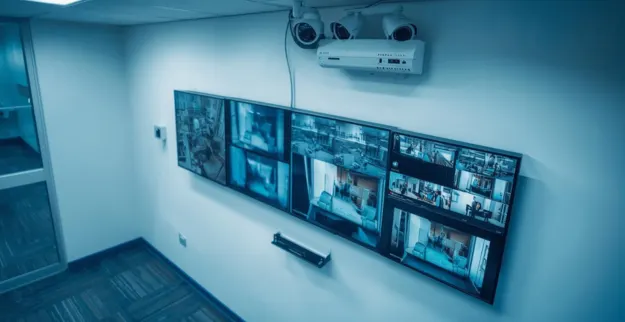
Why It Matters: A Digital Video Recorder (DVR) is the backbone of analog CCTV systems. It stores, manages, and plays back your surveillance footage.
Tip: Choose a DVR that matches the scale and complexity of your business security requirements.
2. Determine the Number of Channels
Why It Matters: Channels indicate how many cameras can be connected.
Tip: Small businesses may need 4–8 channels, while larger environments might require 16, 32, or even more. Always plan for future expansion.
3. Check Recording Resolution
Why It Matters: The resolution of your DVR defines video clarity.
Tip: Look for at least 1080p support. For critical surveillance, choose DVRs with 4K capability for sharper details.
4. Evaluate Storage Capacity
Why It Matters: Businesses often need to retain footage for weeks or months.
Tip: Consider DVRs that support large hard drives (up to 10TB or more) and allow external storage or cloud backup.
5. Review Compression Technology
Why It Matters: Efficient compression saves storage without compromising quality.
Tip: Opt for DVRs with H.265 or H.265+ compression technology for better efficiency than older H.264.
6. Ensure Remote Viewing Options
Why It Matters: Business owners often need to monitor locations on the go.
Tip: Select a DVR that supports mobile apps, browser access, and secure remote monitoring features.
7. Focus on Integration and Compatibility
Why It Matters: A DVR should work seamlessly with existing or future CCTV equipment.
Tip: Check compatibility with different camera types, brands, and technologies (HD analog, IP hybrid DVRs).
8. Security and Data Protection
Why It Matters: Footage may contain sensitive business information.
Tip: Choose DVRs with password protection, encryption, and multi-user role management to prevent unauthorized access.
9. Check Reliability and Warranty
Why It Matters: Downtime in a business security system can be costly.
Tip: Select DVRs from trusted brands that offer at least 2–3 years of warranty and strong after-sales support.
10. Budget vs. Features Balance
Why It Matters: Businesses need cost-effective but reliable solutions.
Tip: Compare pricing, features, scalability, and long-term value before making a decision.
Conclusion
A CCTV DVR is more than just a recording device—it’s the foundation of your business security system. By considering channels, resolution, storage, security, and budget, you can choose a DVR that ensures reliable monitoring, long-term performance, and peace of mind.