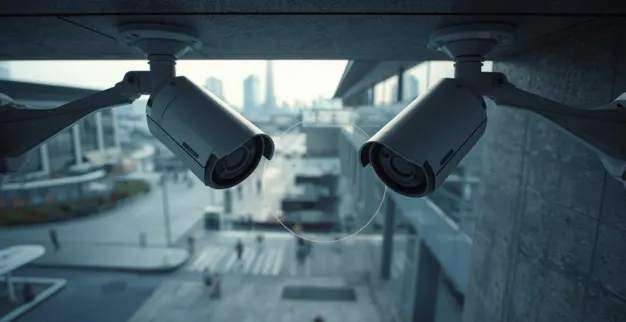
How Can Businesses in Dubai Prevent Theft When CCTV Cameras Miss Blind Spots?
12 Sep 2025
Category: CCTV Security
Even the most high-tech CCTV systems can leave blind spots in your business premises—those sneaky corners where criminals take advantage. In Dubai, where retail theft and internal shrinkage is a real concern, shoring up these gaps is essential. Here’s a thoughtful guide to help you protect your assets effectively and proactively.
1. Conduct a Comprehensive Site Survey
Blind spots often stem from improper planning. Before installing cameras, get a professional site survey. Experts assess entry/exit points, lighting, high-risk zones (like cash registers or storage areas), and recommend optimal placement and equipment types. This ensures full coverage and reduces vulnerabilities. In Dubai's climate and architecture—tall racks, reflective surfaces, and narrow aisles—this stage is even more important.
2. Upgrade Camera Strategy: Multi-Directional & Smart Devices
Changing up your camera setup can eliminate blind spots. 360° fisheye or multi-sensor cameras offer panoramic views, minimizing coverage gaps. Add PTZ (Pan–Tilt–Zoom) cameras for dynamic coverage—perfect for tracking movement across wide spaces. Integrating AI-powered video analytics helps bridge blind spots by flagging suspicious movement and anomalies. Tools like Silent Vision or EyeQ analyze behaviors such as loitering, concealed items, or self-checkout fraud—even if the exact view isn’t crystal-clear.
3. Enhance Physical Layout & Visual Aids
Sometimes the best defense blends tech with clever design. Place convex mirrors in corners and blind spots to expand staff and camera sightlines. Keep fixtures low and open-shelved—avoid tall displays or obstructions that create unseen zones. Position high-risk or high-value products near checkout points, staff areas, or under direct lighting. This increases visibility and deters mischief.
4. Train Staff & Foster Awareness
Technology is only as effective as the people behind it. Equip your team to spot suspicious behaviors—like lingering in blind zones, avoiding eye contact, or handling multiple items without purchase. Encourage a customer-first approach: asking if help is needed versus confrontations, while keeping the area under an observant eye. Pair dummy cameras with real ones to create a psychological deterrent—shoplifters often won’t risk it if they think they’re being watched. Strategically place alarm tags or sensors on high-value items that trigger alerts when tampered with.
5. Leverage AI-Driven Retail Shrinkage Solutions
For a tech-forward, holistic approach to theft prevention: Trigo Retail integrates with existing CCTVs to monitor the gap between items picked off shelves and point-of-sale scans—alerting when something’s taken but not paid for. No extra hardware needed. Silent Vision uses AI to recognize suspicious behaviors—such as concealed items—and sends real-time alerts. EyeQ transforms surveillance into strategic oversight, reducing theft and improving staff response with its AI-driven video intelligence. These solutions are ideal for blind spots—because uncovering behavioral patterns doesn’t always require perfect angles.
6. Use Perimeter Sensors in Sensitive Zones
Beyond traditional cameras, consider advanced protective layers. Implement PSIDS (Perimeter Security Intrusion Detection Systems) where terrain or landscaping hides camera coverage. They detect and alert on intrusion in blind zones, often before any theft occurs.
7. Emphasize Deterrence & Visibility
Sometimes, sheer visibility is enough to discourage wrongdoing. Make cameras obviously visible—criminals often think twice when they can’t be sure they’re not being watched. Add signage: “CCTV in operation”, “Strict policy – theft will be prosecuted.” These not only inform shoppers but send a firm message.
Local Perspectives: Insights from the Ground
- “Relying only on CCTV may not provide the best angles… consider additional cameras closer to areas of interest, like near shelves or exits.”
- “Quickly place an obvious dummy camera. This will most likely stop him from perceiving the area as safe.”
| Solution |
Why It Works |
| Site Surveys |
Map and eliminate blind spots upfront |
| Advanced Cameras |
360°, PTZ, AI-equipped cameras boost coverage |
| Mirrors & Layout Strategy |
Improve visibility and discourage concealment |
| Staff Awareness |
Deters theft through engagement and detection |
| AI Loss Prevention Tools |
Highlight theft behavior beyond camera angles |
| Perimeter Sensors |
Protect areas beyond visual reach |
| Visibility & Signage |
Simple deterrents that raise awareness |
Final Thought
Blind spots aren’t just gaps in vision—they're opportunities for opportunists. But with smart planning, layered defenses, and the right blend of technology and training, businesses in Dubai can lock down these vulnerabilities effectively. Strengthen your strategy, up your awareness, and reclaim your security—with eyes wide open.