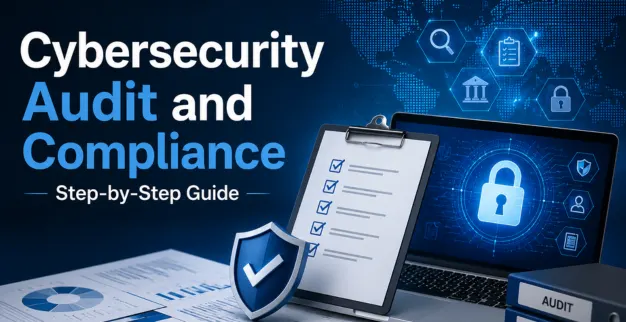
Cybersecurity Audit and Compliance: A Step-by-Step Guide
15 May 2026
Today, a lot of businesses keep running into cyber threats, like hacking, phishing, ransomware, and even data breaches. These actions can end up causing data loss, financial damage, and a drop in customer trust. That’s why cybersecurity audits and compliance checks are pretty important for every organization, regardless of size.
A cybersecurity audit helps identify security weaknesses across systems and networks, while compliance ensures the business follows required security standards and regulations to protect sensitive data properly.
At Agan Cyber Security LLC, we help businesses strengthen security through cybersecurity audits, penetration testing, vulnerability assessments, and compliance support.
What is a Cybersecurity Audit?
A cybersecurity audit is a structured review of an organization’s IT systems, networks, and security policies to identify weak points and improve overall protection.
It helps businesses:
- Identify security risks and weak spots
- Protect sensitive data and confidential information
- Improve system security and resilience
- Prevent cyberattacks and reduce disruptions
- Meet compliance and regulatory requirements
👉 Regular audits help businesses stay safe from modern cyber threats.
Why Cybersecurity Compliance is Important
Cybersecurity compliance means following security rules and industry standards such as:
- ISO 27001
- GDPR
- HIPAA
- PCI DSS
- SOC 2
It is important because it helps businesses:
- Protect customer data
- Avoid legal issues and penalties
- Reduce cyber risks
- Build customer trust
👉 Without compliance, companies may face penalties, security breaches, and financial loss.
Step-by-Step Cybersecurity Audit Process
1. Identifying Vital Systems
The first step is identifying all important systems that need protection, including the critical ones that support daily operations.
- Servers and databases
- Business applications
- Cloud systems
- Network infrastructure
- Customer data systems
👉 Goal: Understand what assets are most critical.
2. Carry Out a Risk Assessment
Security experts analyze systems to identify potential risks and vulnerabilities.
- Phishing attacks
- Malware and ransomware
- Weak passwords
- Insider threats
- Network vulnerabilities
👉 Goal: Identify and prioritize security risks.
3. Review Security Policies
Security policies are reviewed to ensure they are properly defined and followed.
- Password policies
- Access control rules
- Data protection policies
- Backup policies
- Incident response plans
👉 Goal: Ensure strong security governance is in place.
4. Do a Vulnerability Assessment
Systems are scanned to identify technical security weaknesses.
- Outdated software components
- Missing security patches
- Weak firewall configurations
- Application vulnerabilities
- Server misconfigurations
👉 Goal: Detect and fix security gaps early.
5. Do Penetration Testing
Ethical hackers simulate real cyberattacks to evaluate system security.
- Exploit vulnerabilities
- Access sensitive data
- Test application security
- Assess defensive controls
At Agan Cyber Security LLC, we provide advanced penetration testing to strengthen cybersecurity posture.
👉 Goal: Understand real-world attack scenarios.
6. Check Compliance Requirements
Organizations are evaluated against global standards:
- ISO 27001
- GDPR
- HIPAA
- PCI DSS
- SOC 2
👉 Goal: Ensure regulatory compliance.
7. Fixing the Security Problems
After the audit, all identified issues are addressed and resolved.
- Updating software
- Installing security patches
- Improving firewall rules
- Strengthening passwords
- Enhancing access control
👉 Objective: Eliminate vulnerabilities.
8. Continuous Monitoring
Cybersecurity is an ongoing process, not a one-time activity.
- Real-time threat detection
- Security alerts
- Log monitoring and analysis
- Incident response tracking
👉 Goal: Maintain long-term protection.
Advantages of Cybersecurity Assessment
- Stronger overall security posture
- Reduced cyber risks
- Protection of confidential data
- Prevention of data breaches
- Regulatory compliance readiness
- Improved customer trust
👉 Regular assessments help organizations stay secure and resilient.
Conclusion
Cybersecurity audits and compliance are essential for every modern business. They help identify risks, fix weaknesses, and strengthen overall security systems.
Companies that conduct regular audits become more secure, more compliant, and more trusted by customers.
At Agan Cyber Security LLC, we help businesses build a strong cybersecurity foundation through audits, compliance, and continuous protection.