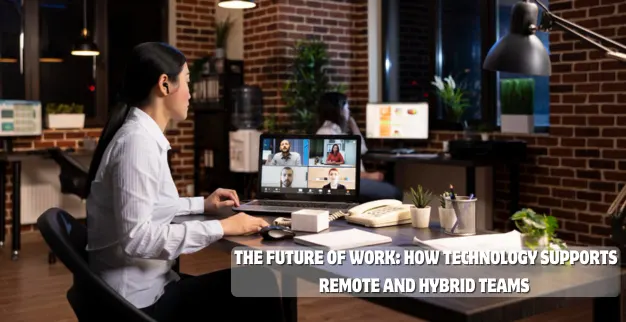
The Future of Work: How Technology Supports Remote and Hybrid Teams
By: Ganesan D
12 Dec 2025
Category: Remote Work Technology
The workplace has transformed dramatically over the last few years. Remote and hybrid models are no longer temporary adjustments — they have become the new standard for modern businesses. As companies strive to balance flexibility with productivity, one thing has become clear: technology is the backbone of successful remote and hybrid work environments.
At Agan, we help businesses adopt secure, scalable, and efficient technology solutions that empower teams to work from anywhere without compromising productivity or security. Here’s how the right tools are shaping the future of work.
Why Remote & Hybrid Work Models Are Here to Stay
Remote and hybrid setups offer businesses significant benefits — lower operational costs, wider talent pools, happier employees, and greater agility. But to make these models work effectively, companies must rely on integrated digital systems that keep teams connected, organized, and secure.
Competitors in the IT and cybersecurity industry highlight digital tools as essential to modern operations — and Agan ensures your business leverages those tools to stay ahead.
Tools That Make Remote Work Productive and Secure
1. Cloud Collaboration Platforms — Work Together From Anywhere
Cloud-based platforms like Microsoft 365, Google Workspace, and other modern collaboration suites allow teams to:
- Access files any time, from any device
- Co-edit documents in real time
- Stay updated with shared calendars and communication channels
Cloud tools make work seamless, eliminate version-control issues, and help teams stay aligned — even when scattered across locations.
2. Secure Communication Tools — Clear, Instant, and Protected
In hybrid teams, communication gaps can destroy productivity. Tools such as:
- Microsoft Teams
- Slack
- Zoom
enable fast discussions, video meetings, and structured conversations. Agan ensures these platforms are configured securely with proper access controls, encryption, and monitoring — preventing data leaks or unauthorized access.
3. Project Management Systems — Keep Teams Organized and Accountable
Platforms like Trello, Jira, and Asana give remote teams visibility into:
- Task ownership
- Deadlines
- Project progress
- Workload distribution
These tools help businesses replicate the structure of an office environment — without the physical presence.
How Technology Enhances Productivity in Remote & Hybrid Teams
Automation Removes Manual Work
Workflow automation tools streamline approvals, reporting, onboarding, inventory tracking, and more. Remote teams spend less time on repetitive tasks and more time on high-value responsibilities.
Real-Time Data Enables Smarter Decisions
Digital dashboards give leaders instant insights into team performance, sales, service requests, and operations — enabling faster decision-making and stronger business outcomes.
Better Employee Engagement Through Digital Tools
Hybrid teams stay connected when businesses use:
- Virtual meeting platforms
- Internal communication channels
- Remote training tools
- HR and employee-engagement apps
This ensures organizational culture stays strong, even when teams are physically apart.
Why Agan Is the Right Technology Partner for the Future of Work
While many competitors provide individual tools, Agan stands out by delivering integrated, secure, and fully customized technology ecosystems for remote and hybrid teams.
- Tailored digital transformation strategies
- Secure cloud migration and deployment
- Advanced cybersecurity solutions
- End-to-end IT support
- Continuous optimisation and monitoring
We don’t just provide tools — we build an entire digital environment optimized for your team’s efficiency and security.
Conclusion — Technology Is Redefining the Workplace
The future of work is flexible, digital, and borderless. With the right technology, remote and hybrid teams can be just as productive — if not more — than traditional on-site teams.
From cost savings to security, from collaboration to centralized operations, modern tools empower businesses to thrive in this new era.
If your organization is ready to build a productive, secure, and future-ready work environment, Agan is here to guide your journey.