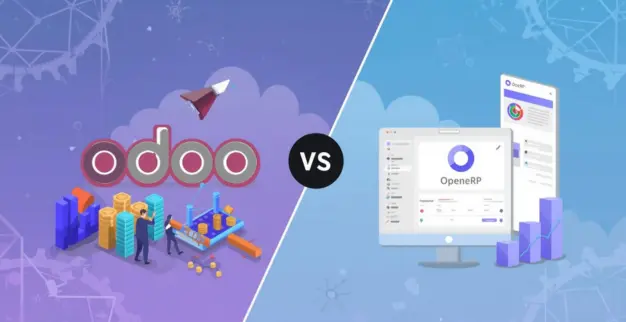
Odoo vs OpenERP: The Evolution of the Most Flexible ERP Software
06 Nov 2025
Category: Oodo ERP
Introduction
In the fast-moving business environment of Dubai and the UAE, selecting the right ERP platform can make or break your transformation journey.
While OpenERP has long been trusted as a flexible open-source ERP solution, Odoo represents the next generation —
wider scope, greater modularity, and a stronger ecosystem. Understanding how OpenERP evolved into Odoo—and what that means for your business—is
key to making the right choice.
1. Origins: OpenERP and the Modular ERP Revolution
Originally launched as TinyERP in 2005 by Fabien Pinckaers, the system was built on openness and flexibility. In 2009, it was
renamed OpenERP to reflect a broader vision of open-source ERP.
- Modular design meant businesses could pick only the modules they needed (inventory, accounting, CRM).
- It grew rapidly, establishing a community of partners and developers.
- For companies in Dubai and the UAE, this translated to ERP systems that could be adapted — Arabic/English, VAT, multi-currency — rather than forced into rigid structures.
2. Transition: Why and How OpenERP Became Odoo
In 2014, the company rebranded from OpenERP to Odoo, signalling more than just a name change.
- Expansion beyond core ERP into CRM, eCommerce, website building, and POS — making it a full business suite.
- Introduction of two editions: Community (open-source) and Enterprise (paid), plus cloud/SaaS deployment.
- Stronger emphasis on usability, modern UI, scalability, and mobile support.
This evolution means that in Dubai’s dynamic business environment — multi-channel retail, multi-branch services, multilingual operations —
Odoo offers a platform built for flexibility and long-term scalability.
3. Major Differences: OpenERP vs Odoo
Here’s how the two systems compare from a practical perspective for UAE businesses:
- Scope of Applications: OpenERP focused mainly on ERP (accounting, inventory, sales). Odoo includes those plus CRM, eCommerce, POS, website, and marketing.
- Modularity & Growth Path: OpenERP’s ecosystem was narrower, while Odoo supports richer modular expansion — grow from core modules now to a full suite later.
- Deployment Models: Odoo provides cloud, hybrid, and on-premise options with stronger partner support.
- Localisation & Ecosystem: Odoo’s broader global network ensures better support for Arabic/English, VAT compliance, and UAE localisation.
- Business Model & Investment: Odoo’s evolution brought in major investments and marketplace innovation, ensuring long-term stability and updates.
4. Why This Matters for Companies in Dubai & UAE
For firms in Dubai navigating rapid growth, digital transformation, and complex regulations, the choice of ERP is strategic.
The evolution from OpenERP to Odoo matters because:
- Flexibility: Start small with sales and accounting, then expand to inventory, CRM, and eCommerce as your business grows.
- Integration: Seamlessly connect front-office and back-office operations — from POS and CRM to accounting and logistics.
- Compliance: Built-in features for Arabic/English UI, multi-currency, VAT compliance, and multi-company operations.
- Future-Readiness: Odoo’s open ecosystem ensures your business is ready for digital expansion — not stuck in legacy ERP limitations.
5. How Agan CyberSecurity LLC Can Frame the Value
As a cybersecurity-focused company, Agan CyberSecurity LLC can help clients navigate the transition securely:
- Secure Digital Transformation: Move from older OpenERP systems to Odoo with security-first implementation, protecting data and access.
- Phased Implementation: Adopt modules gradually while maintaining system security and compliance.
- Integration & Data Protection: Secure APIs, encrypt data, and manage access for connected systems like eCommerce or POS.
- Localisation & Compliance: Implement Arabic language, UAE VAT modules, and meet local data security standards.
Conclusion
The journey from OpenERP to Odoo reflects a powerful evolution in flexibility, usability, and scope.
For businesses in Dubai and the UAE, Odoo represents more than an ERP — it’s a complete digital foundation for growth and innovation.
With Agan CyberSecurity LLC’s focus on secure implementation and compliance, your ERP isn’t just smarter — it’s safer, stronger, and future-ready.