Top 10 Reasons to Invest in Office Surveillance Cameras for Startups and IT Parks
26 Sep 2025
Category: CCTV Security
For startups and companies in IT parks, the early years are all about growth, scaling fast, and protecting both tangible and intangible assets. Installing a modern office surveillance camera system isn’t just about security—it can contribute significantly to trust, productivity, risk management, and business reputation. Here are ten strong reasons why it makes sense today.
1. Deter Theft, Vandalism & Unauthorized Access
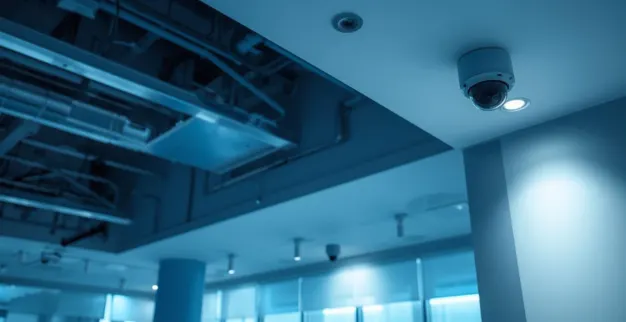
One of the most immediate benefits is deterrence. Visible cameras make people think twice before attempting theft, vandalism, or unauthorized access.
Offices often hold valuable equipment—servers, computers, prototypes—which are tempting for opportunistic theft.
IT parks typically have multiple access points and shared areas; surveillance helps control who enters restricted zones.
Studies show that installing CCTV systems lowers occurrences of burglary or property damage simply by raising perceived risk.
2. Enhanced Employee Safety & Well-Being
Safety isn’t only about theft—it’s also about making sure everyone at work feels secure.
Cameras help monitor common areas, emergency exits, parking lots, corridors especially during odd hours.
In case of incidents like disputes, harassment, or accidents, having video evidence helps to uncover what really occurred.
Helps reassure employees, clients, and partners that the environment is professionally managed.
3. Real-time Monitoring & Remote Oversight
Modern systems allow management or security staff to monitor video feeds in real time—even when offsite.
Remote access via mobile apps or web dashboards means that founders, facility managers, or security teams can quickly check what’s happening.
Alerts for motion detection, unauthorized access, or unusual behavior allow faster response, reducing loss or damage.
4. Evidence Collection & Liability Protection
When something goes wrong—intrusion, damage, or a legal complaint—having recorded footage is invaluable.
Security camera recordings serve as concrete proof in investigations, insurance claims, or disputes.
Helps protect the company from false claims or misunderstandings involving employees or visitors.
5. Reducing Overall Security Costs
While there’s an upfront cost, over time surveillance can lower various recurring security expenses.
Fewer security personnel may be needed when cameras cover many areas continuously.
Insurance premiums often drop for businesses that demonstrate adequate security measures.
Preventing losses from theft, vandalism, or damage reduces cost of replacing assets or repairing property.
6. Improving Productivity & Accountability
Surveillance does more than guard property—it can help shape culture and operations.
Knowing that office activity is recorded tends to remind people to follow rules, be on time, avoid misuse of facilities.
Managers can use the footage to observe inefficiencies or bottlenecks—e.g., identifying idle zones, checking whether safety procedures are followed.
7. Ensuring Regulatory & Client Compliance
Many industries, especially in IT, have compliance requirements related to physical security, data safety, and access control.
Some clients expect vendors to have surveillance in place as part of due diligence.
For IT Parks hosting multiple startups, shared spaces, or data centres, surveillance assists in meeting legal and contractual obligations.
Helps in audits, compliance with safety regulations, or insurance requirements.
8. Business Continuity & Incident Recovery
When incidents happen (break-ins, fire, sabotage, power outages), surveillance systems help with both immediate reaction and post-incident analysis.
Footage helps identify when, how, and by whom something happened—helpful for repair, restoring operations, or pursuing remedy.
Enables quicker investigations, enabling management to get operations restored sooner.
9. Protecting Intellectual Property & Sensitive Assets
Startups especially often handle prototypes, software, source code, confidential documents, or research equipment.
Surveillance helps prevent unauthorized access to sensitive areas (labs, server rooms, storage).
Acts as a layer of protection against internal threats or accidental exposure.
May deter theft of ideas or data, which can be more damaging than physical theft.
10. Enhancing Reputation & Stakeholder Trust
Having a secure, well-monitored facility builds trust with employees, clients, partners, and investors.
Clients feel safer when your premises are secure; it reflects that you take safety and professionalism seriously.
Employees are more likely to stay when they feel their workplace is safe.
Investors and insurers view good security as risk mitigation—hardware and facilities that are protected are more sustainable as investments.
Best Practices for Startups & IT Parks When Deploying Surveillance
- Strategic placement: Entry/exits, server rooms, shared spaces, parking lots—places that are high risk or highly trafficked.
- Quality of video & night vision: Enough resolution to recognize faces, record in low light; use infrared or strong sensors.
- Remote access & alerting: Mobile apps or dashboards, motion detection, zone-based monitoring.
- Privacy & legal compliance: Inform staff/visitors; avoid placing cameras in private areas; data storage policies and retention.
- Scalable systems: IP cameras, PoE, scalable NVR/DVR so you can expand as company grows.
- Maintenance & updates: Regularly clean lenses, check alignment, keep firmware updated to prevent vulnerabilities.
Conclusion
For startups and businesses in IT parks, investing in office surveillance cameras isn’t just about preventing crime—it’s about preserving value, building trust, enhancing productivity, and enabling sustainable, secure growth. The right surveillance setup offers peace of mind and contributes materially to protecting your investments—both physical assets and the people who drive innovation.