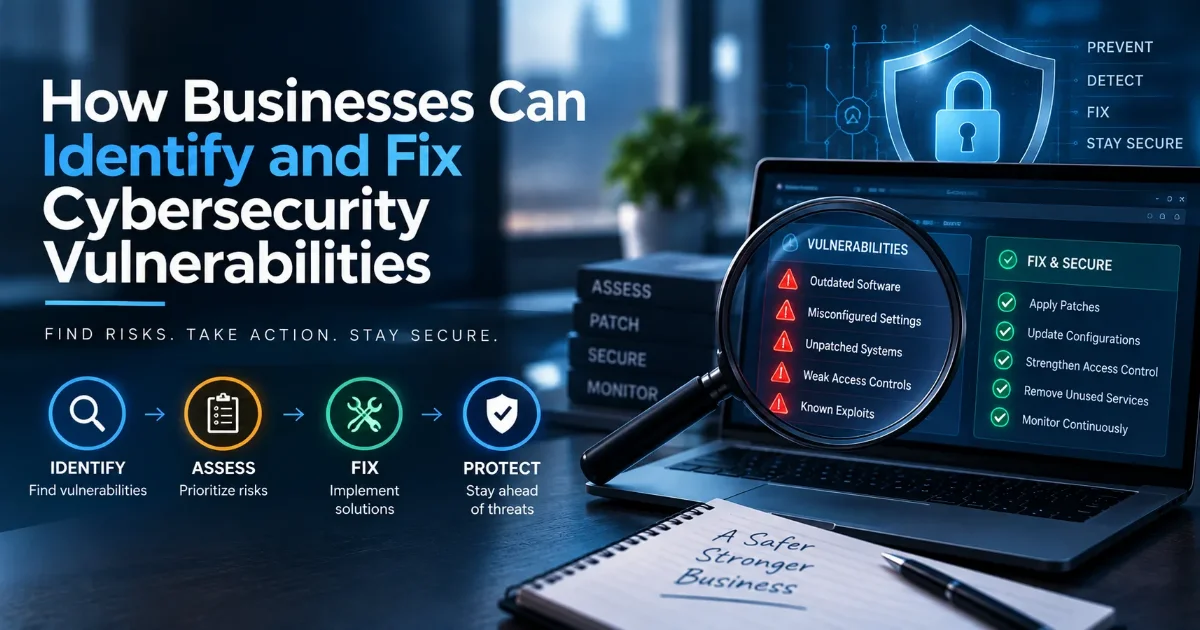

10 Ways to Secure IT from Internal & External Threats

22 May 2025 Ganesan D Ganesan D Category:Threat Intelligence

Protecting your IT infrastructure is crucial against both internal and external threats. Here are 10 key ways to secure your systems effectively:

1. Implement Strong Access Controls

  • Use role-based access control (RBAC) and the principle of least privilege (PoLP).
  • Enforce strong password policies and multi-factor authentication (MFA).

2. Regular Security Audits and Risk Assessments

  • Conduct internal and external audits.
  • Assess vulnerabilities and prioritize fixes based on risk levels.

3. Network Segmentation

  • Separate critical systems (e.g., finance, HR) from less sensitive areas.
  • Use firewalls, VLANs, and access control lists (ACLs) to contain breaches.

4. Endpoint Protection and EDR Solutions

  • Deploy anti-malware, firewalls, and Endpoint Detection and Response (EDR) tools.
  • Regularly update and patch software on all endpoints.

5. Data Encryption

  • Encrypt data at rest and in transit using industry-standard protocols (e.g., AES, TLS).
  • Secure backup data with encryption and off-site storage.

6. Monitor and Log All Activities

  • Use Security Information and Event Management (SIEM) tools to collect and analyze logs.
  • Set alerts for unusual behavior, such as large file transfers or access outside business hours.

7. Employee Awareness and Training

  • Conduct regular cybersecurity awareness training.
  • Simulate phishing attacks to test and reinforce employee readiness.

8. Secure Cloud Usage

  • Use reputable cloud service providers with strong security controls.
  • Review and manage cloud permissions and configurations regularly.

9. Patch and Vulnerability Management

  • Keep all systems and software up to date with the latest security patches.
  • Use vulnerability scanners to identify and remediate risks proactively.

10. Insider Threat Detection Programs

  • Monitor for signs of insider threats (e.g., data exfiltration, privilege abuse).
  • Encourage a culture of security through clear policies and reporting mechanisms.

Latest Blog Posts

The Growing Importance of Zero Trust Security Architecture

By: Ganesan D 25 Jun 2026 Category: Zero Trust Security

Learn how zero trust security, zero trust architecture, and identity security help organizations strengthen access control, protect sensitive data, reduce cyber security risks, and build a more resilient security framework.

Read more...

The Difference Between Threat Hunting and Threat Detection

By: Ganesan D 24 Jun 2026 Category: SOC Monitoring

Learn the difference between threat hunting and threat detection, how SOC monitoring improves threat visibility, strengthens incident response, identifies advanced cyber threats, and enhances overall cybersecurity protection.

Read more...

Common Web Application Security Vulnerabilities Explained

By: Ganesan D 23 Jun 2026 Category: Web Application Security

Learn how web application security, application security testing, penetration testing, vulnerability assessments, and secure coding practices help businesses identify vulnerabilities, prevent cyber attacks, and protect critical applications.

Read more...