SOC 2 Compliance Explained: Why Your Company Needs It Now
20 Nov 2025
Category: Security Operation
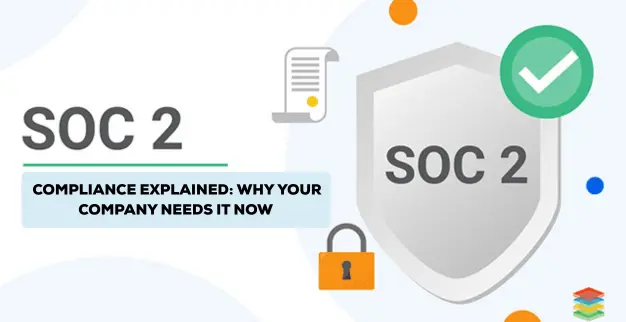
In today’s security-conscious world, SOC 2 compliance has shifted from a “nice-to-have” to a must-have for companies handling sensitive customer data. At AGAN Cybersecurity, we see it as a key tool for building trust and reducing risk.
What Is SOC 2 Compliance?
SOC 2, or System and Organization Controls 2, is a rigorous audit framework created by the AICPA (American Institute of Certified Public Accountants). It evaluates your company’s controls across five Trust Service Criteria: Security, Availability, Processing Integrity, Confidentiality, and Privacy.
Unlike generic certifications, SOC 2 is flexible — each company tailors which criteria apply. The SOC 2 report, issued by an independent auditor, confirms that the right controls are in place and, for Type II audits, operating effectively over time.
Why SOC 2 Matters — Now More Than Ever
1. Building Trust and Credibility
SOC 2 compliance signals to clients, partners, and stakeholders that your business prioritizes data security — a critical credibility booster for cloud or SaaS companies.
2. Unlocking New Revenue Opportunities
Many enterprise customers, especially in regulated industries, require SOC 2 before onboarding vendors. Compliance accelerates assessments, reduces friction, and can help you win larger contracts.
3. Strengthening Your Internal Security Posture
Preparing for SOC 2 is also a chance to implement best-in-class security processes. You’ll define access controls, incident response plans, monitoring, and risk assessments, improving overall resilience.
4. Streamlining Regulatory Alignment
SOC 2 aligns with other regulations like GDPR, HIPAA, and ISO 27001, helping you build a strong foundational security framework for broader compliance.
5. Mitigating Risk and Reducing Costs
Strong SOC 2 controls reduce the risk of breaches, unauthorized access, and operational failures — saving costs on downtime, incident response, and strengthening customer trust.
SOC 2 Is a Journey, Not a One-Off
Maintaining SOC 2 compliance requires continuous monitoring, regular audits, and updating controls to match evolving risks. This approach fosters a culture of security, making data protection an integral part of operations.
Why AGAN Cybersecurity Recommends SOC 2 Now
- For trust: SOC 2 acts as a differentiator with enterprise and regulated clients.
- For risk: Formalized security programs reduce chances of breaches and failures.
- For growth: Compliance accelerates sales cycles and helps close bigger deals.
- For strategic maturity: SOC 2 processes and controls scale as your company grows.