Types of Risk Assessment Every Business Should Know
26 Feb 2026
Category: Risk Assessment
In the rapidly evolving business world of today, companies face threats from cyber-attacks, operational failures, lack of funds, and non-compliance with laws, among others. Organizations can better prepare themselves to face crises by conducting thorough risk assessments, which in turn, empower them to recognize their vulnerabilities, measure the possible damage and decide on preventative strategies.
Moreover, knowing the various forms of risk assessment is an excellent way for companies to beef up their security, make better decisions, and thus save the business from being disrupted. We at Agan Cyber Security LLC, assist companies in implementing organized risk assessment methodologies that help them protect their valuables and good name.
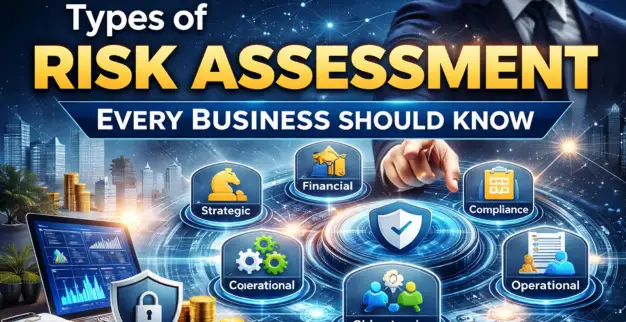
1. Strategic Risk Assessment
Strategic risk assessment focuses on long-term business objectives and external factors that may impact growth.
Examples include:
- Market competition
- Regulatory changes
- Economic shifts
- Industry disruption
This assessment helps leadership teams align risk management with business strategy.
2. Operational Risk Assessment
Operational risk assessment evaluates risks arising from daily business activities and internal processes.
Examples include:
- System failures
- Supply chain disruptions
- Human errors
- Process inefficiencies
By identifying operational weaknesses, businesses can reduce downtime and improve productivity.
3. Cybersecurity Risk Assessment
Cybersecurity risk assessment identifies vulnerabilities in IT systems, networks, and applications.
It includes:
- Vulnerability assessments
- Penetration testing
- Threat modeling
- Data protection analysis
This type of assessment is essential to protect sensitive information and prevent cyberattacks.
4. Financial Risk Assessment
Financial risk assessment evaluates risks related to financial stability and economic exposure.
Examples include:
- Cash flow risks
- Credit risks
- Investment risks
- Currency fluctuations
This ensures better financial planning and resilience against economic uncertainty.
5. Compliance Risk Assessment
Compliance risk assessment ensures that organizations follow legal, regulatory, and industry standards.
It covers:
- Data protection regulations
- Industry certifications
- Internal policy adherence
- Audit readiness
Failure to manage compliance risks can lead to legal penalties and reputational damage.
6. Project Risk Assessment
Project risk assessment identifies potential issues that may affect project timelines, budgets, or outcomes.
Examples include:
- Resource shortages
- Technical challenges
- Budget overruns
- Scheduling conflicts
Proper planning minimizes delays and improves project success rates.
7. Vendor and Third-Party Risk Assessment
Businesses often rely on third-party vendors, which can introduce additional risks.
This assessment evaluates:
- Vendor cybersecurity practices
- Data handling procedures
- Service reliability
- Contractual compliance
Managing third-party risks strengthens overall business security.
Why Risk Assessment Is Essential
Risk assessment allows organizations to:
- Identify potential threats early
- Reduce financial and operational losses
- Improve compliance readiness
- Enhance cybersecurity posture
- Support informed decision-making
A proactive risk management strategy protects business continuity and long-term growth.
Conclusion
Every company is exposed to numerous risks of different nature, however, recognizing and dealing with them through a well, structured risk assessment process guarantees continuity and stability. Security, IT, operations, finance, and compliance are just a few of the risk areas whose assessment results significantly impact the overall performance of the company.
We at Agan Cyber Security LLC deliver full, range risk assessment services customized according to the requisites of your business. Our knowledgeable professionals guide you through the discovery of weak points, the application of risk reduction methods, and the maintenance of a secure, compliant, and progressive organizational status.