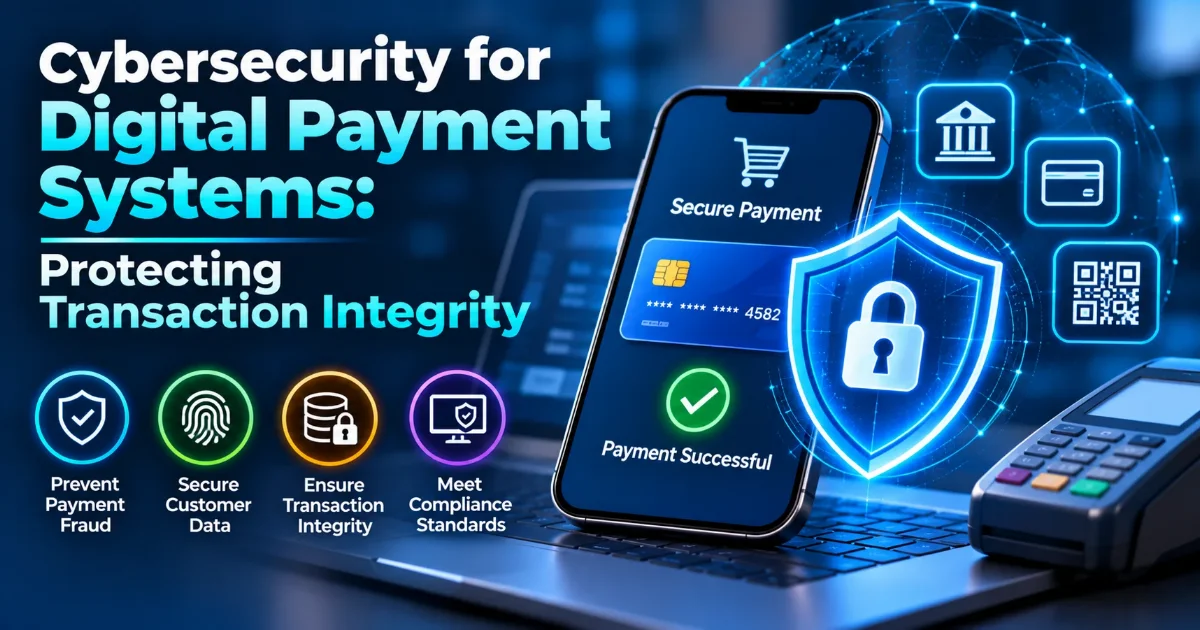
Cybersecurity for Digital Payment Systems: Protecting Transaction Integrity
By: Ganesan D
5 Nov 2026
Category:
Cyber Security
Introduction
Digital payments have become essential for businesses, banks, and customers across the UAE. Online banking, mobile wallets, payment gateways, and card transactions make financial services faster and more convenient. However, cyberattacks, payment fraud, and unauthorised transaction changes can create serious financial risks. Strong digital payment security helps protect sensitive information and maintain transaction integrity.
What Is Digital Payment Security?
Digital payment security involves protecting electronic financial transactions, payment platforms, customer information, and communication channels from cyber threats.
It uses security technologies such as encryption, tokenization, authentication, fraud detection, and access controls to ensure that transactions are authorised, accurate, and protected from manipulation.
Effective cybersecurity for banking and financial services in the UAE helps organisations maintain customer trust and protect financial operations.
How Do Digital Payment Transactions Work?
A typical digital payment involves several stages:
-
Payment Initiation:
A customer enters payment details through a website, application, or payment terminal.
-
Secure Transmission:
Payment information is transmitted to the payment gateway through a protected connection.
-
Authentication:
The payment provider verifies the transaction and customer identity using appropriate security controls.
-
Authorisation:
The payment processor communicates with the relevant financial institution to approve or decline the transaction.
-
Settlement:
Approved funds are transferred through the payment network according to the applicable settlement process.
Each stage requires security controls to prevent unauthorised access and transaction manipulation.
Common Digital Payment Security Threats
Digital payment systems can face several cybersecurity threats:
-
Phishing:
Attackers trick customers or employees into revealing payment credentials.
-
Account Takeover:
Stolen login details allow attackers to access financial accounts.
-
Malware:
Malicious software captures payment information or interferes with transactions.
-
API Attacks:
Vulnerable payment APIs may expose sensitive data or allow unauthorised actions.
-
Man-in-the-Middle Attacks:
Attackers attempt to intercept or manipulate communications.
-
Insider Threats:
Employees or compromised internal accounts may misuse payment access.
Payment Fraud and Transaction Tampering
Payment fraud can involve stolen card details, fake payment requests, fraudulent refunds, and unauthorised transfers.
Transaction tampering occurs when attackers attempt to modify payment information, such as the transaction amount, recipient, or account details. Weak API validation, insecure communication, and insufficient authorisation checks can create opportunities for these attacks.
Businesses should validate transaction details on the server side and maintain reliable audit logs to identify suspicious changes.
Encryption, Tokenization and Authentication
Several security technologies help protect digital payments:
-
Encryption:
Protects sensitive payment information during storage and transmission.
-
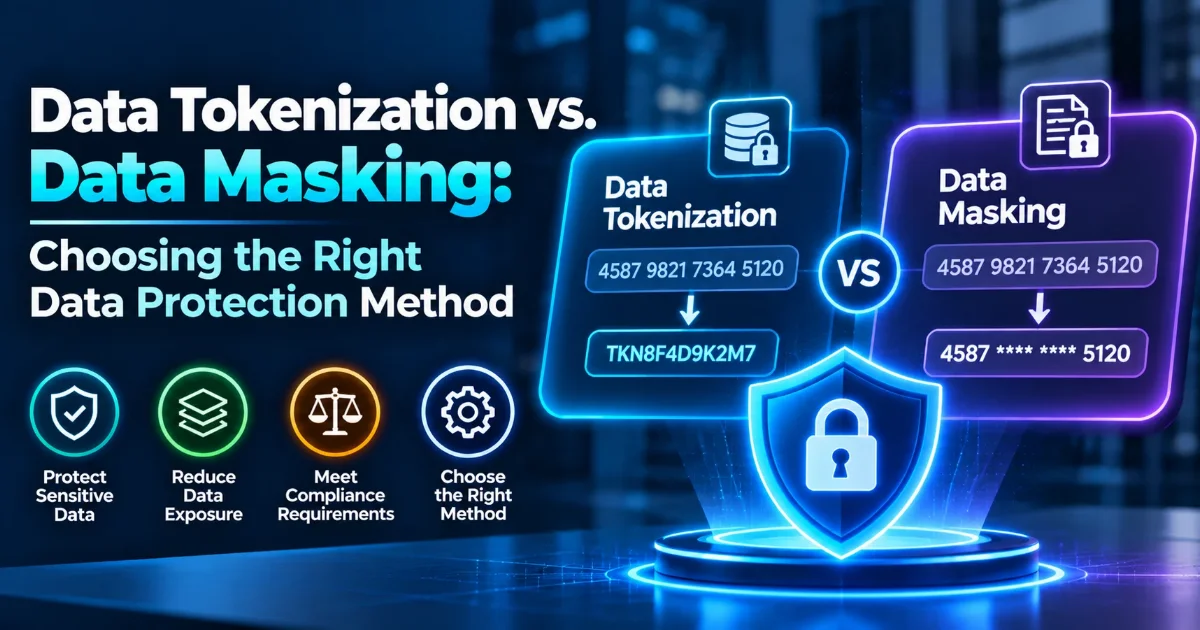
Tokenization:
Replaces sensitive card or account details with tokens to reduce direct exposure.
-
Multi-Factor Authentication (MFA):
Adds additional verification beyond passwords.
-
3D Secure:
Provides an additional authentication layer for eligible card-not-present transactions.
-
Risk-Based Authentication:
Uses transaction context and risk signals to identify potentially suspicious activity.
These technologies work together to strengthen payment protection.
Securing Payment Gateways and APIs
Payment gateways and APIs connect customers, merchants, banks, and payment processors. If these components are poorly secured, attackers may exploit vulnerabilities to access information or manipulate transactions.
Businesses should implement:
-
Strong API authentication and authorisation.
-
Secure HTTPS and modern TLS configurations.
-
API rate limiting and input validation.
-
Regular vulnerability assessments and penetration testing.
-
Secure API key and credential management.
-
Continuous monitoring and suspicious activity alerts.
Organisations seeking financial cybersecurity services in Dubai and the UAE should include payment gateway and API security in their overall cybersecurity strategy.
Transaction Integrity Best Practices
To strengthen digital payment security, businesses should:
-
Validate transaction amounts and recipient details on the server side.
-
Apply role-based access controls to financial systems.
-
Enable MFA for administrators and financial users.
-
Monitor unusual transactions and repeated payment attempts.
-
Maintain detailed transaction logs and audit trails.
-
Perform regular security assessments and penetration testing.
-
Establish incident response and payment fraud procedures.
-
Follow applicable financial security and data protection requirements.
Frequently Asked Questions
1. Why Is Transaction Integrity Important?
It ensures that payment amounts, recipients, and transaction details remain accurate and are not changed without authorisation.
2. Can Encryption Prevent All Payment Fraud?
No. Encryption protects information but does not prevent every threat. Authentication, fraud monitoring, access controls, and secure transaction validation are also necessary.
3. Why Do Banks Need Specialised Cybersecurity?
Banks process sensitive financial information and high volumes of transactions, making strong identity protection, fraud detection, and continuous monitoring essential.
Conclusion
Digital payment systems require multiple layers of security to protect financial information and maintain transaction integrity. Encryption, tokenization, strong authentication, secure APIs, and continuous monitoring help businesses reduce payment fraud and cyber risks.
Strengthen Your Digital Payment Security with Agan Cyber Security LLC
Strengthen your financial security with Agan Cyber Security LLC. Our cybersecurity services can help identify vulnerabilities, secure payment infrastructure, and improve threat monitoring.
Contact our team to discuss cybersecurity requirements for banking and financial services across Dubai and the UAE.
Contact us today to discuss your cybersecurity requirements.