Facing Frequent IT Outages? Here’s How Managed Security Services in Dubai & UAE Can Help
By: Ganesan D
12 July 2025
Category: Managed Security Services
Introduction
You wake up on a Monday morning, head to work, and discover that your company's IT systems are completely unavailable. Emails are not working, employees cannot access business applications, and customer requests are piling up. For many businesses in Dubai and across the UAE, this scenario is a costly reality.
IT outages can occur due to cyberattacks, hardware failures, network disruptions, software vulnerabilities, or simple human errors. Regardless of the cause, downtime leads to lost productivity, reduced customer confidence, financial losses, and major business disruptions.
As organizations become increasingly dependent on digital infrastructure, maintaining uninterrupted access to business systems is critical. This is why many companies are investing in Managed Security Services (MSS) to proactively monitor, secure, and support their IT environments.
In this article, we'll explore how managed security services help businesses reduce downtime, strengthen cybersecurity, and maintain business continuity.
Why IT Outages Are Becoming More Common
Digital transformation has improved business efficiency, but it has also increased exposure to cyber threats and technology-related risks.
Some of the most common causes of IT outages include:
- Cyberattacks and ransomware incidents
- Network infrastructure failures
- Unpatched software vulnerabilities
- Cloud service disruptions
- Hardware failures
- Misconfigured security settings
- Insider threats and human errors
For organizations operating in healthcare, banking, logistics, retail, hospitality, and manufacturing, even a short period of downtime can result in substantial revenue loss and reputational damage.
What Are Managed Security Services?
Managed Security Services (MSS) are outsourced cybersecurity services that provide 24/7 monitoring, protection, and management of an organization's IT infrastructure through a specialized Managed Security Service Provider (MSSP).
By partnering with an MSSP, businesses gain access to experienced cybersecurity professionals who continuously monitor networks, identify threats, respond to incidents, and help maintain compliance with security standards.
The primary goal of an MSSP is to identify vulnerabilities before they impact daily business operations and proactively reduce cybersecurity risks.
How Managed Security Services Prevent IT Outages
1. Continuous Threat Monitoring
Cybercriminals do not operate on a fixed schedule. Attacks can occur during weekends, holidays, or outside normal working hours when internal IT resources may be limited.
Continuous threat monitoring enables security teams to observe networks, servers, endpoints, cloud environments, and applications around the clock.
Benefits include:
- Early detection of cyber threats
- Faster incident response
- Reduced downtime
- Complete visibility into IT systems
- Improved operational stability
Organizations using a Security Operations Center (SOC) gain access to dedicated cybersecurity professionals who monitor and respond to security events 24/7.
2. Proactive Threat Detection and Incident Response
Before a major outage occurs, there are often warning signs such as unusual login attempts, malware activity, suspicious traffic patterns, or unauthorized access attempts.
Managed Security Service Providers use advanced technologies including:
- SIEM Solutions
- Threat Intelligence Platforms
- Endpoint Detection and Response (EDR)
- Security Analytics Tools
These tools help identify and contain threats before they escalate into business-disrupting incidents.
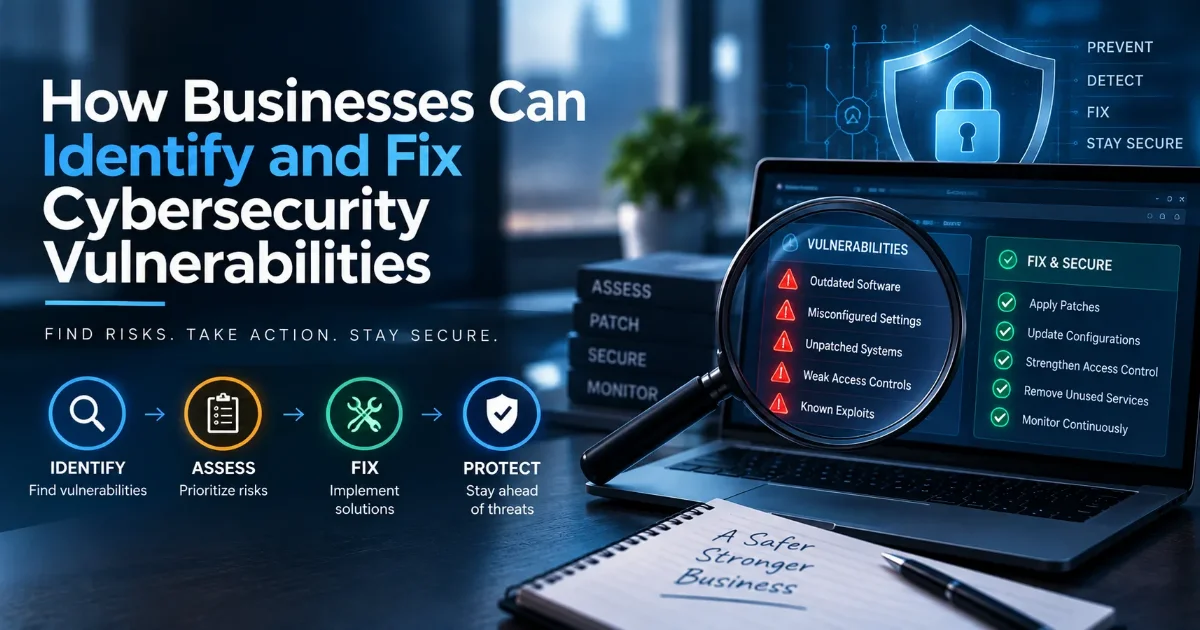
3. Vulnerability Assessment and Patch Management
Outdated software remains one of the leading causes of cybersecurity incidents worldwide. Attackers frequently exploit known vulnerabilities in operating systems, applications, and network devices.
Managed Security Service Providers assist with:
- Vulnerability Scanning
- Risk Prioritization
- Security Patch Deployment
- Configuration Reviews
- Compliance Validation
This proactive approach significantly reduces the likelihood of outages caused by security weaknesses.
4. Advanced Network Security Protection
Your network forms the foundation of business operations. Without proper security controls, unauthorized users may gain access to critical systems and sensitive information.
Professional network security solutions include:
- Firewall Management
- Intrusion Detection Systems (IDS)
- Intrusion Prevention Systems (IPS)
- Secure Remote Access
- Network Segmentation
- Traffic Monitoring
These controls help maintain uninterrupted business operations while protecting sensitive corporate data.
5. Cyber Resilience Against Ransomware
Ransomware remains one of the most damaging cybersecurity threats facing businesses today.
A successful ransomware attack can:
- Encrypt critical business data
- Stop operations completely
- Create significant financial losses
- Damage customer trust and reputation
Managed security services reduce ransomware-related risks through:
- Endpoint Security
- Threat Detection
- Email Security
- Backup Protection
- Security Awareness Training
6. Disaster Recovery and Business Continuity
No organization can eliminate every risk. The difference between resilient businesses and vulnerable ones lies in how quickly they recover from unexpected disruptions.
A strong disaster recovery strategy typically includes:
- Automated Backups
- Cloud Replication
- Recovery Testing
- Failover Systems
- Emergency Response Plans
These safeguards help businesses maintain continuity even during major disruptions.
Real Business Example
A mid-sized logistics company in Dubai experienced recurring network outages that negatively impacted warehouse operations and customer communications.
Their internal IT team struggled to identify the root cause of the disruptions, resulting in delayed shipments and reduced productivity.
After partnering with a Managed Security Service Provider, the company implemented continuous monitoring, vulnerability management, and proactive threat detection. Within six months, they experienced significantly fewer outages, improved operational efficiency, enhanced customer satisfaction, and lower IT support costs.
This example highlights how proactive cybersecurity management can directly improve business performance.
Conclusion
IT outages can severely impact revenue, productivity, and customer trust. As cyber threats continue to evolve, businesses need proactive security measures that go beyond traditional IT support.
Managed Security Services provide access to cybersecurity expertise, continuous monitoring, vulnerability management, disaster recovery planning, and compliance support. These services help organizations reduce risks while improving operational resilience.
For businesses across Dubai and the UAE, investing in Managed Security Services is not just about cybersecurity. It is about ensuring business continuity, protecting critical assets, and building a strong foundation for long-term digital growth.