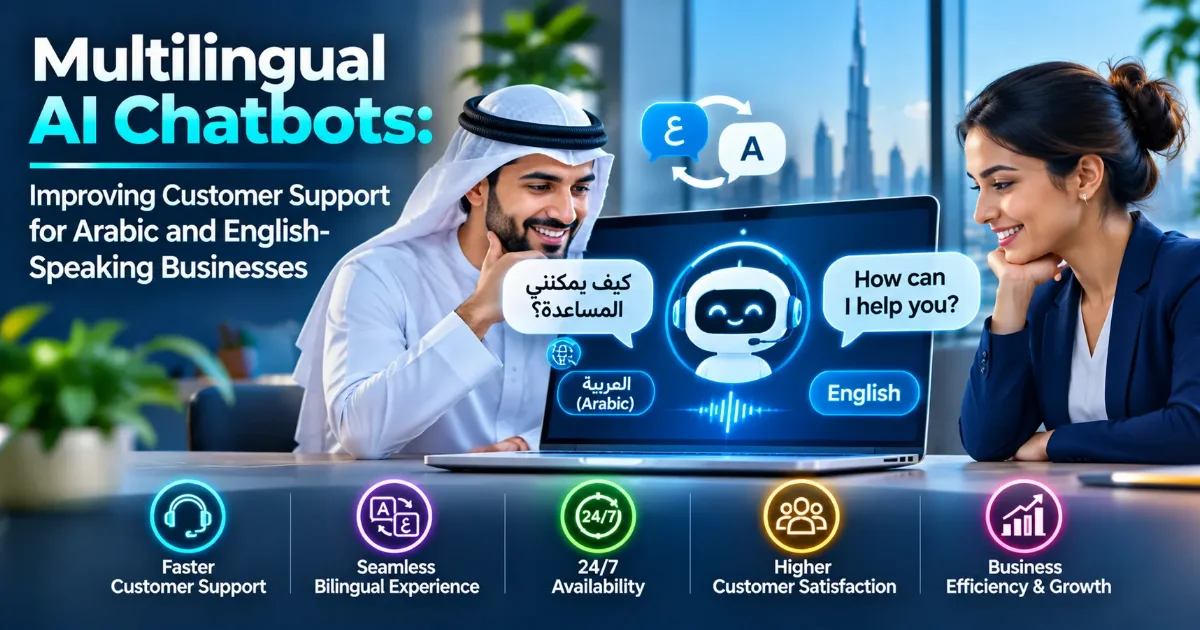
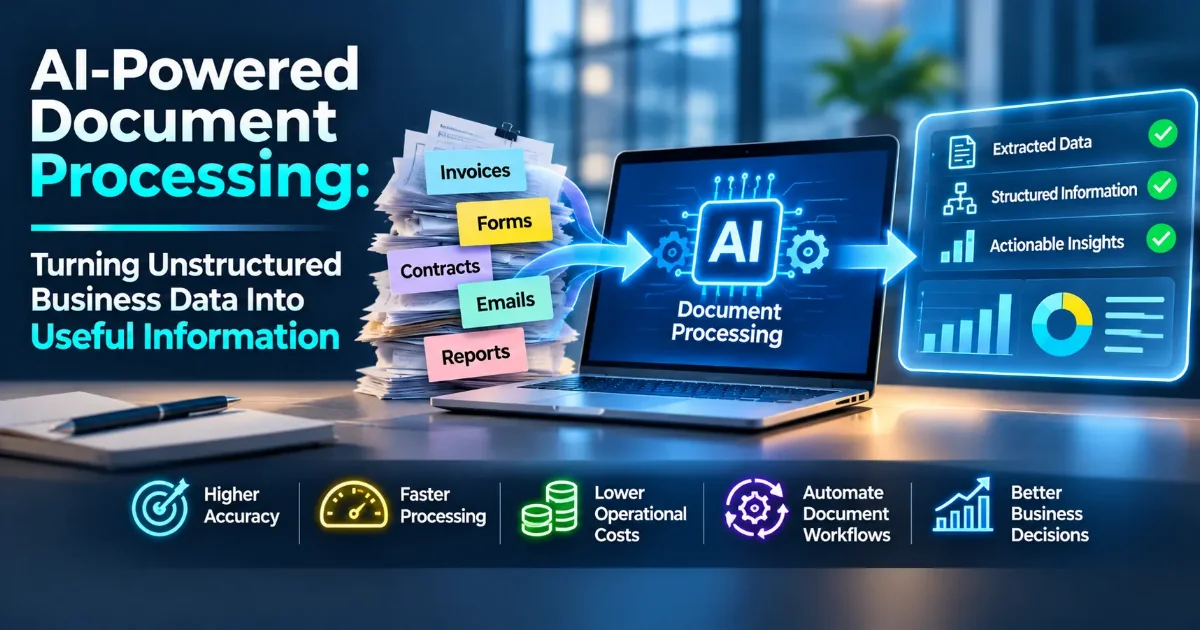
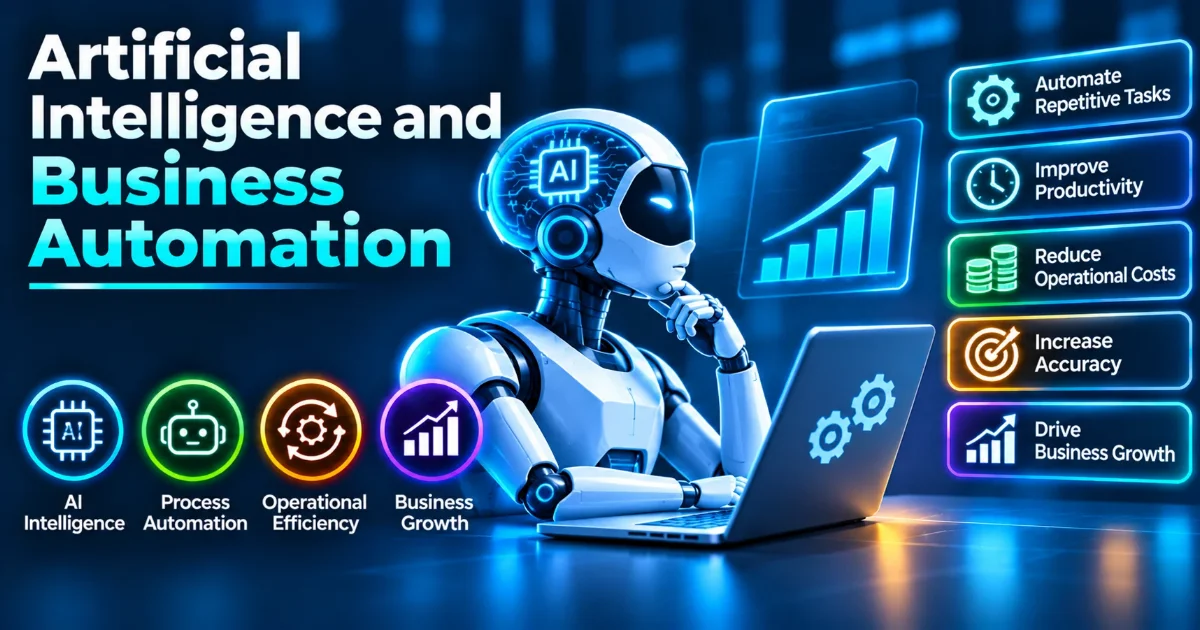
Multilingual AI Chatbots: Improving Customer Support for Arabic and English-Speaking Businesses
By: Ganesan D
25 Nov 2026
Category:
Custom
Introduction
Customers within a business' market may require services in either Arabic or English; thus it is essential that companies have customer-facing tools which can both effectively communicate and work efficiently. This is notably the case in multilingual areas such as the UAE.
Using Natural Language Processing (NLP) along with machine learning and Large Language Models (LLMs), multilingual AI chatbots can therefore comprehend and reply to customer requests in various languages. They can also be utilised to assess potential leads and automate customer service processes.
What Are Multilingual AI Chatbots?
Multilingual chatbots allow interactions between users and chatbots in multiple languages. Unlike simple rule-based chatbots, which rely on a fixed set of keywords and answers, AI chatbots are able to understand natural language input and contextualise customer queries.
By integrating custom LLMs, companies can ensure that chatbots have access to verified and relevant data within an organisation, such as products, services, documentation and FAQs, allowing highly relevant answers to be given in line with business data.
Arabic and English Language Processing
Arabic and English have differences in grammar, vocabulary and expression. Therefore, multilingual chatbots must be designed to understand the specific characteristics of both languages to provide accurate and natural responses.
Some important considerations when handling Arabic include:
-
Right-to-Left Text:
Arabic is written and displayed from right to left, requiring appropriate text direction and formatting.
-
Regional Dialects:
Arabic has different regional dialects and expressions that may vary between customers.
-
Formal and Informal Language:
Chatbots should understand both professional Arabic and everyday conversational expressions.
-
Bilingual Phrases:
Customers may combine Arabic and English within the same conversation.
-
Contextual Meaning:
The meaning of certain words and expressions can depend on the context in which they are used.
If a chatbot is multilingual, it should detect which language the customer is using and respond accordingly. If a user asks a question in English but continues to speak in Arabic, the chatbot should detect the change in language and respond appropriately.
Chatbot Architecture and Conversational AI Development
A multilingual AI chatbot requires a suitable architecture to manage conversations, understand customer requests and provide relevant responses. It also determines how the chatbot interacts with different platforms, including websites, mobile applications and messaging applications.
Some important components of chatbot architecture include:
-
Language Detection:
Detects which language the customer is using, such as Arabic, English or another supported language.
-
Natural Language Processing (NLP):
Interprets customer queries and helps generate appropriate responses.
-
Knowledge Base:
Provides access to approved business information, services, documentation and FAQs.
-
Integration:
Connects the chatbot with CRM systems and other business applications.
-
Reporting:
Generates reports on customer interactions, response quality and unanswered questions.
These components allow businesses to develop chatbots that suit their customer support requirements and communication channels.
Customer Query Understanding and Response Generation
NLP technology is used to understand user intent and extract key information within customer queries. Based on the identified intent, appropriate responses can then be generated.
If a customer enquires about pricing, the chatbot can provide an appropriate response based on approved company content. If the user wishes to request a consultation, contact information can be captured and a new lead process initiated.
Content can also be translated or generated in the appropriate language to allow natural interaction with customers in Arabic or English.
CRM Integration and Automated Customer Support Workflows
Chatbots can be integrated within a CRM system to streamline customer interactions and automate support processes. Some common uses of these chatbots include:
- Capturing customer details.
- Qualifying potential leads.
- Creating and updating CRM entries.
- Forwarding enquiries to the appropriate sales team member.
- Creating customer support tickets.
- Sending follow-up alerts and notifications.
This automation reduces the amount of manual work required within support teams, allowing employees to manage customer enquiries and respond more efficiently.
Accuracy and Cultural Considerations
When implementing multilingual AI chatbots, businesses should consider regional variations in Arabic, appropriate localised terminology, language formality and differing customer expectations.
It is also important to ensure that chatbot responses are based on authorised and verified information. Customer data must be protected, and the chatbot should avoid providing inaccurate or unsupported answers.
If a request is complicated, involves sensitive information or if the answer is uncertain, the chatbot should be able to transfer the conversation to a human support agent. Reviewing chatbot conversations regularly and testing responses in different languages can help improve overall performance.
Frequently Asked Questions
1. Can an AI Chatbot Communicate in Both Arabic and English?
Yes. Multilingual AI chatbots can be configured and tested to communicate in multiple languages using appropriate language models and business-specific data. They can also detect language changes during conversations and respond accordingly.
2. Can a Chatbot Integrate with a CRM System?
Yes. Suitable AI chatbots can integrate with a company's CRM system to capture leads, update customer information, track enquiries and automate customer support workflows.
3. What Is Custom LLM Integration?
Custom Large Language Model (LLM) integration connects an AI model with business software, information and processes. This enables a chatbot to provide more relevant responses based on an organisation's products, services, documentation and approved business information.
4. Can AI Chatbots Replace Human Customer Support Teams?
AI chatbots can handle many routine customer enquiries and automate standard support tasks. However, human support teams remain important for complex issues, sensitive requests, emotionally involved conversations and situations requiring human judgement.
Conclusion
Businesses can now provide improved and accessible customer service using multilingual AI chatbots. Customers can benefit from enhanced support through a combination of AI technology, custom Large Language Models and integrations with a business's Customer Relationship Management (CRM) system.
Agan Cyber Security LLC can advise on how your business can securely implement AI and smart automation. Get in touch to explore your business' chatbot requirements and develop enhanced customer service processes in Dubai and throughout the UAE.